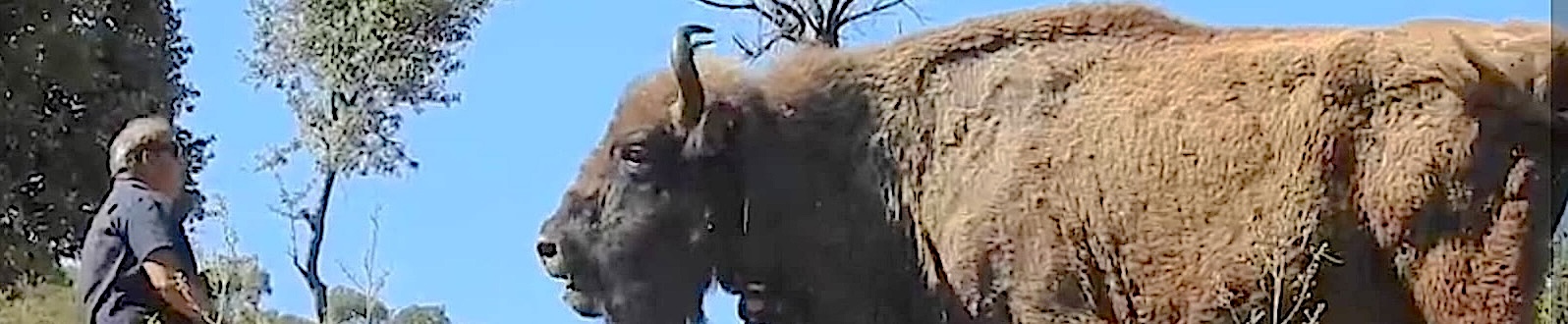

Ngorongoro Conservation Area in Tanzania
Tribal People and Nature
Wildlife – Hadzabe – Maasai Territory Management
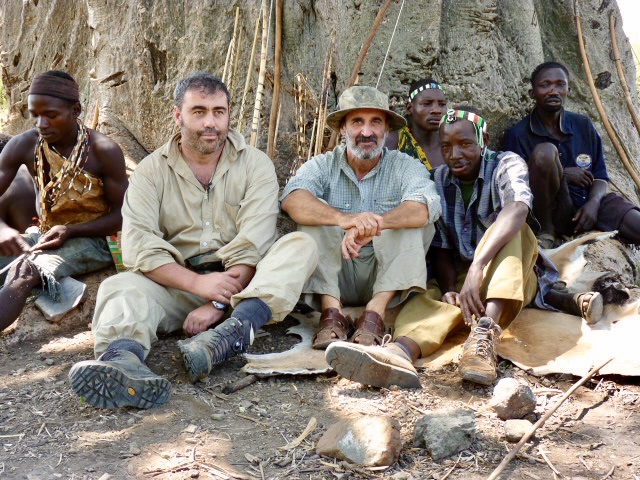
By Fernando Morán and Benigno Varillas
Background – The Area
Ngorongoro Conservation Area (NCA): Located in Tanzania, this breathtaking region features the Ngorongoro Crater, the world’s largest volcanic caldera. It is a unique biodiversity hotspot that has remained largely pristine until recent times and is home to a wide variety of mammal species, including the critically endangered black rhinoceros. The area is also renowned for its paleoanthropological significance, with sites like Olduvai Gorge providing crucial evidence of human evolution.
Protecting Ngorongoro not only conserves species and habitats but also supports local communities such as the Maasai pastoralists and Bushmen hunters and gatherers, while promoting sustainable tourism. Striking a balance between conservation and sustainable use is essential for maintaining the ecological and cultural integrity of the region, benefiting both nature and future generations. However, the future of this wild and invaluable area is at risk.

Key aspects of the Ngorongoro Conservation Area include:
- Wildlife Conservation: A sanctuary for numerous species, conservation efforts include anti-poaching, habitat restoration, and monitoring of endangered animals like the black rhinoceros. However, indigenous tribes are often excluded from these efforts, which threatens long-term sustainability.
- Human-Wildlife Coexistence: The Maasai have historically coexisted with wildlife through traditional pastoralism. Managing this relationship is crucial to reduce conflicts and ensure sustainability.
- Research and Education: The area serves as a center for ecological research, climate change studies, and conservation biology, providing vital data for environmental protection worldwide.
- Paleoanthropological Sites: Rich archaeological sites like Olduvai Gorge offer insights into early human evolution and are carefully protected and studied.
- Tourism Management: Sustainable tourism funds conservation efforts through controlled visitor numbers, eco-friendly accommodations, and educational programs. However, tourism has surged dramatically in the last 15 years, threatening biodiversity and natural habitats.
Several persistent challenges affect the Ngorongoro Conservation Area and adjacent Game Controlled Areas, and similar issues are present in other parks like Serengeti, Manyara, Arusha, Tarangire, and Kilimanjaro. This vast region hosts one of the last pristine wildlife communities on Earth, exhibiting remarkable biodiversity and natural processes rarely seen elsewhere. This is the area’s greatest natural value.
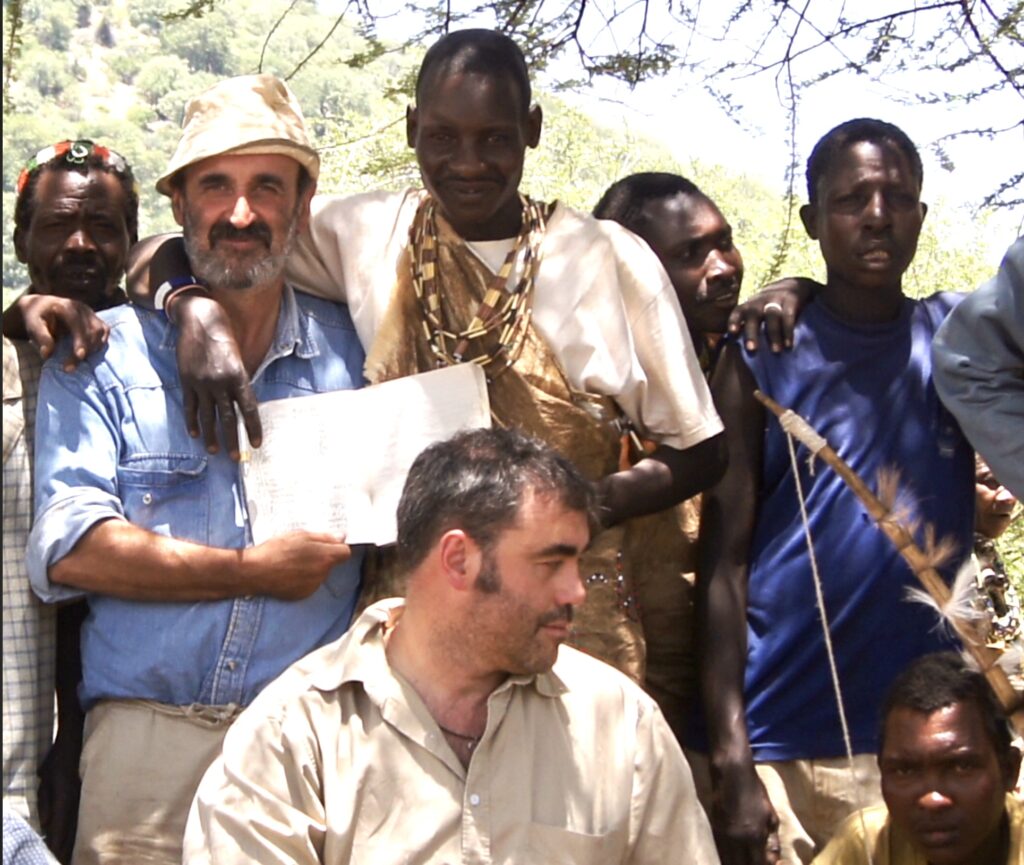
1) The Hadzabe or Bushmen, ancient indigenous tribes, are on the brink of extinction. One of the last remaining hunter-gatherer populations faces threats from population growth, increased land use for cattle and agriculture, and invasive tourism, all compounded by restrictions on their traditional nomadic movements.
2) Biodiversity and wildlife are declining due to increasing human populations, intensified livestock breeding, and the adverse impacts of unregulated tourism causing habitat erosion and disturbance.
3) Conflicts between the government, hunting concessions, and the Maas
project proposal is a simple one:
Massai Community to become one of the main wildlife, nature and bushman custodians Maasai community get resources from wildlife and nature protection and monitoring, so maasai people give value and respect for nature
Maasai community gets resources from protecting and monitoring bushman recovery and restoration to the wild ecosystem and territories, ensuring bushmen further survival.
Maasai community lower and optimize their cattle presence, pressure on habitat and organize for better use of the land due resources diversification and coexistence.
Massai community participates in the ecotourism activity and regulation also generating resources from ecotourism (so wildlife and nature)
Trophy hunting is also made compatible with this model as a Maasai social task force and Maasai Community will make surveillance for anti-poaching. In the first proposed pilot area no hunting is allowed as it is NCA, but anti-poaching actions will be implemented.

PROPOSAL IN DETAIL – 2 Basic pillars
1) Ensure bushman future existence
Bushmen are a sustainable human population related to nature and Biodiversity. They never affect wildlife and biodiversity as their interaction with the biodiversity is the same as the one any other super predator species will do. Proposal is for several different actions to ensure their future, their survival and thriving via several actions
Bushman hunting activity and home range spreading for secure indigenous tribe future
Bushmen hunting regulation. Bushmen don´t hunt, they feed/predate. Sort out and avoid bushmen and trophy hunting conflict
Game Controlled Areas agreement for bushmen to hunt determined species.
Develop bee boost program in their home range area
Pilot Area Custody Agreement with the Maasai community
Securing land for Nature conservation, bushman existence, regulated and adjusted stockbreeding compatible with wildlife and regulated ecotourism via Maasai territory custody program.
2) Maasai Wildlife and territory protection social task force creation.
Massai to protect territory, wildlife, bushmen and Maasai traditional way of life making compatible with ecotourism and trophy hunting Wildlife monitoring and planification based on data and surveillance done by maasai rangers and by maasai linked to ecotourism in the area and the conservation project. Visitors will go with Massai rangers to visit wildlife and nature protection goals, conservation actions, restoration and results.
Stock breeding compatibility. Only the Maasai community involved in land management can make this a Massai community policy, regulating cattle abundance and intensity in a compatible way with wildlife. The example to follow is only the same area situation 15 years back so it is still alive in the Massai community’s mind.
Ecotourism regulation. A Compatible Ecotourism Governance Commission should be implemented involving all the sectors, companies, lodges and institutions linked to this activity and ecotourism should have some rules on the number of cars and people per day and where those cars can drive to and through.


Starting pilot area.
We propose to start with an area out of the main biodiversity spots (Ngorongoro crater, Serengeti plains) but including the actual bushmen home range, so they can enlarge their population and home range.
Also, to start with, it is an area where hunting is banned, so no hunting conflict foreseen. This does not include Hadzabe bushmen predation.
Area limits proposed for the pilot area:

South, Lake Easy
North; Oldupai Gorge and Olbalbal Depression Ngorongoro Conservation Area
East; Mount Oldeni and Ngorongoro crater boundaries
West; Kimuma plain and Ngorongoro Conservation Area limits
Muruna Tanzania
This document is produced by Fernando Moran, Benigno Varillas and Mosses Nyhadine, on December 2024
Fernando Morán and Benigno Varillas with the Hadzabe from Easy Lake (Tanzania): https://youtu.be/KCrBZmsTsmw?si=Yzpx2Iszey8edPM-
You must be logged in to post a comment.